Why Seeds Rot and Drown in Heavy Garden Soil
When tender seeds of tomato, chilli, or marigold are planted directly into garden soil, heavy clay particles compact around them. This crust traps excess water, starves the germinating embryo of air, and invites damping-off fungal disease that melts seedlings at the soil line.
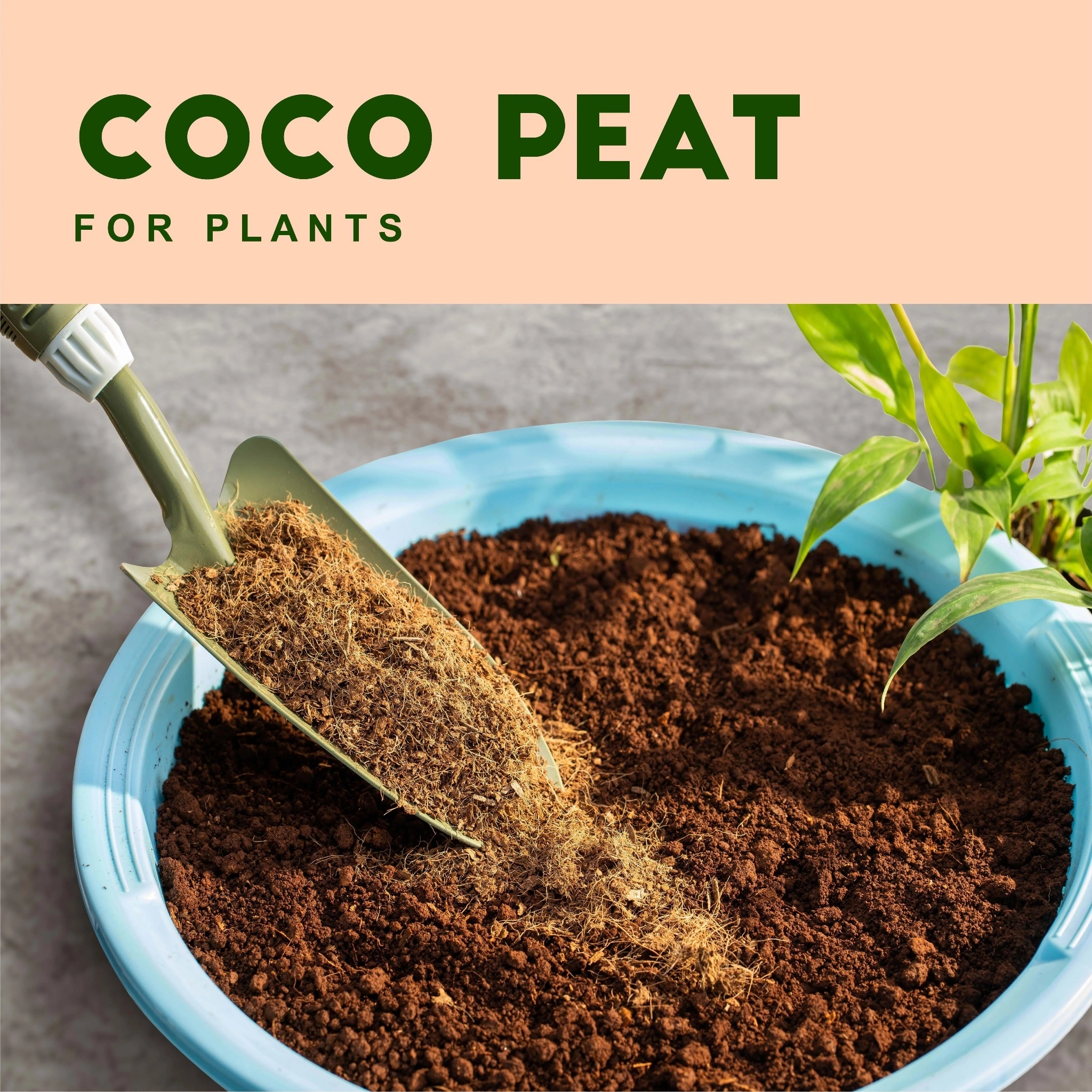
Cocopeat For Plants
Premium organic cocopeat for plants from Sushila Agrofert
- ✓ 100% Organic & Natural
- ✓ Tested for healthy plant growth
- ✓ Fast delivery across India
Step-by-Step Recovery Guide
Soak your Sushila Agrofert Cocopeat block in clean water. It expands up to 5 times its volume into a soft, airy, sponge-like medium.
Gently spoon the fluffy cocopeat into seed plug trays or biodegradable pots. Tap the tray lightly; never press down firmly with your fingers.
Place seeds at a shallow depth and lightly dust cocopeat over them. Mist with a spray bottle to keep the surface humid until germination.
Don't wait until root decay reaches the central stem. Providing proper aeration and nutrient balance within the first 48 hours is the difference between losing a plant and watching it flourish.